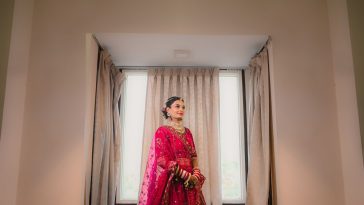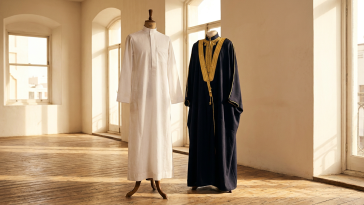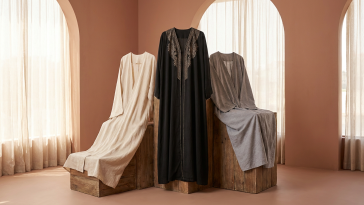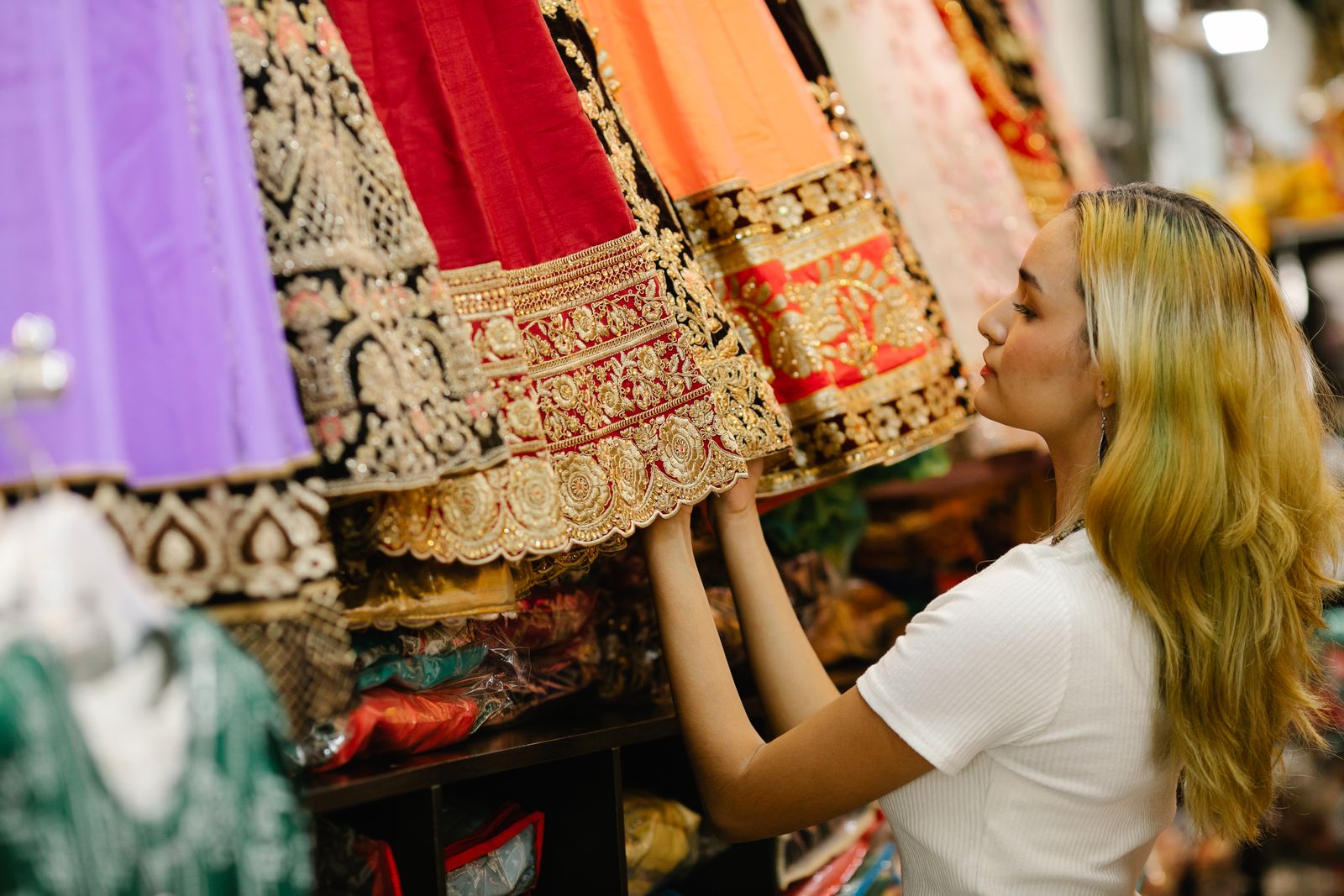
Picture the most beautiful thing you own. For many of us it isn’t an everyday piece — it’s the outfit from a wedding, an Eid celebration or an engagement. A hand-embroidered lehenga. A saree that took an artisan weeks to weave. A sherwani, an anarkali, an abaya chosen for one unforgettable day.
Now picture where it is right now. Folded in a box in the loft. Zipped inside a garment bag at the back of the wardrobe. Worn once — maybe twice — and then, quietly, retired.
You are not careless for this. It’s simply how occasion wear works. But multiply that single stored outfit by millions of wardrobes, and you start to see one of the biggest, most fixable problems in fashion. Buying preloved is the fix — and far from being a compromise, it’s one of the smartest, kindest and most beautiful choices a shopper can make. Here’s the evidence.
The problem hiding in our wardrobes
We are producing and buying far more clothing than we could ever wear out. In the UK, the population owns an estimated 1.6 billion unused items of clothing, and a typical garment spends 99% of its life sitting in the wardrobe — worn on average for fewer than five days in total (Oxfam).
Occasion wear is the sharpest example. A poll for the charity Barnardo’s found Britons expected to spend around £800 million on roughly 10 million wedding outfits that would be worn just once, and £2.7 billion on more than 50 million single-use summer outfits (The Independent, citing Barnardo’s, 2019). Globally, the Ellen MacArthur Foundation estimates some garments are thrown away after just seven to ten wears (Ellen MacArthur Foundation).
Here’s the part that should sting a little: none of those pieces are worn out. They’re barely worn at all. That is not a wardrobe of well-loved clothes — it’s a warehouse of stalled potential.
What a brand-new outfit really costs
The instinct to buy new for a big day is understandable. But every new garment carries an invisible price tag before it ever reaches you.
- Water. It takes around 7,500 litres of water to make a single pair of jeans — roughly what one person drinks in seven years (UN Environment Programme / UN News). A single cotton T-shirt swallows about 2,700 litres (WWF). Embellished occasion wear, with its dyeing, beading and multiple fabrics, is rarely cheaper on resources.
- Carbon. The fashion and textiles sector is responsible for an estimated 2–8% of global greenhouse-gas emissions (UNEP).
- Waste. Every second, the equivalent of a rubbish truckload of clothes is burnt or buried in landfill (Ellen MacArthur Foundation). In the UK specifically, around 300,000 tonnes of textile waste goes into household bins every year, bound for landfill or incineration (UK Environmental Audit Committee, Fixing Fashion).
- Pollution you can’t see. The sector is also thought to account for around 9% of the microplastic pollution reaching the oceans (UNEP).
And it isn’t only the planet that loses. The Ellen MacArthur Foundation calculates that, worldwide, customers miss out on about USD 460 billion of value every year by throwing away clothes they could have kept wearing (Ellen MacArthur Foundation). We are, quite literally, binning money.
How buying preloved changes the maths
Here’s the good news, and it’s genuinely powerful: the most sustainable garment is one that already exists. Every preloved piece you buy is one that didn’t have to be made from scratch — no new cotton irrigated, no new dye run off into a river, no new emissions on the production line.
The numbers back it up:
- Keeping clothes in use for longer is one of the single biggest levers we have. WRAP, the UK’s leading resource-efficiency charity, found that extending the active life of clothing by just nine months can cut its carbon, water and waste footprints by up to 20% — worth around £5 billion in resources a year across the UK (WRAP). Buying preloved does exactly that, by design.
- When you buy second-hand instead of new, the carbon saving is real and measurable. An independent analysis of second-hand marketplace Vinted, carried out by carbon-analytics firm Vaayu, found an average net saving of about 1.8 kg of CO2e for each item bought second-hand that replaced a new purchase (Vinted / Vaayu Climate Impact Report).
- Reuse pays off at scale, too: WRAP estimates that every tonne of reused UK clothing and textiles delivers an average net carbon saving of around four tonnes (WRAP Clothing Knowledge Hub).
None of this asks you to dress worse. It asks you to let a garment do more of the job it was already made to do.
Preloved is having a moment — and it’s only getting bigger
If “second-hand” still conjures a dusty rail in the back of a shop, the data will surprise you. The global second-hand apparel market is projected to reach USD 393 billion by 2030, growing roughly twice as fast as the clothing market overall and heading towards around a tenth of everything the world spends on apparel (ThredUp / GlobalData 2026 Resale Report). Gen Z and Millennials are expected to drive about 71% of that growth (ThredUp, press release). Buying preloved isn’t the fallback anymore — for a whole generation, it’s the first place they look.
The appeal is easy to understand once you’ve tried it:
- You save money. Preloved pieces routinely sell for a fraction of their original price — often up to 90% less than retail (ThredUp). That £600 designer lehenga becomes reachable.
- You find the un-findable. Preloved is where discontinued collections, unrepeatable embroidery and genuinely one-of-a-kind pieces live. You won’t turn up in the same high-street outfit as three other guests.
- You honour the craft. A hand-worked saree or a beaded anarkali represents days of skilled labour. Wearing it again respects that work, rather than letting it languish.
Why it’s especially powerful for occasion wear
This is where preloved truly shines — and where South Asian and Middle Eastern fashion has a head start. Wedding lehengas, bridal sarees, sherwanis, anarkalis and abayas are among the most exquisite, heavily crafted garments most of us will ever own. They’re also, precisely because they’re for special occasions, among the least worn. An outfit built to be seen once is the perfect outfit to pass on — still stunning, still special, ready for its second celebration.
There’s also a cultural truth here that fast fashion made us forget. Passing clothes on has always been part of South Asian and Middle Eastern life — the saree handed down from mother to daughter, the bridal set borrowed across a family, the outfit that carries a memory into its next wearing. Preloved isn’t a new idea imported from a sustainability report; it’s an old, generous tradition, given a modern home. Buying a preloved lehenga or abaya online is simply that same instinct, scaled up so your “family” of sellers stretches across the whole country.
If you’ve ever hesitated over a used bridal outfit, you’re in good company. We’ve written separately about the stigma around second-hand wedding lehengas and why it’s a hang-up worth letting go of. Sustainable wedding wear isn’t a downgrade — increasingly, it’s the more thoughtful, more distinctive, more grown-up choice.
Buying preloved with confidence
There’s one honest hesitation left: can I trust it? Buying a treasured, once-in-a-lifetime outfit from a stranger online should feel safe — and it can.
At Preloved Bazaar, every order is covered by buyer protection: payments are handled securely through Stripe, and your money is held safely until the seller has posted your item with tracking and a short protection window has passed, so you’re never paying blindly into the void. That means you can shop preloved South Asian and modest fashion — from everyday kurtas to full bridal sets — with the same confidence you’d expect from any modern marketplace.
So the next time a wedding, an Eid or an engagement is on the horizon, look preloved first. And that gorgeous outfit already sitting in your own loft? Someone out there is searching for exactly it. List it, pass it on, and let it be loved all over again.
Because responsible shopping was never about buying less beautiful things. It’s about making sure the beautiful things we already have get the second, third and fourth act they deserve.
Frequently asked questions
Is buying preloved fashion actually better for the environment?
Yes. The biggest environmental cost of clothing is producing it in the first place — the water, energy and raw materials. Buying preloved means no new garment has to be made, and keeping clothes in use longer measurably reduces their footprint: extending a garment’s active life by nine months can cut its carbon, water and waste impact by up to 20% (WRAP).
Is second-hand South Asian and occasion wear good quality?
Often it’s exceptional. Occasion pieces like lehengas, sarees and sherwanis are usually worn only once or twice, so many are close to new — with craftsmanship and embellishment you simply can’t find on the high street. Detailed listings, photos and seller reviews help you judge condition before you buy.
How do I buy preloved safely online?
Choose a marketplace with buyer protection. On Preloved Bazaar, payments run through Stripe and your money is held securely until the seller has posted your order with tracking and a short protection window has passed. If it doesn’t arrive or isn’t as described, you can report a problem from your order and you’re covered.