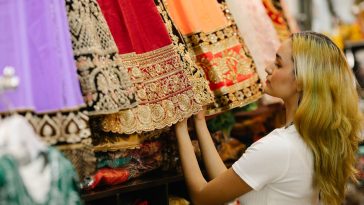
You are standing in a boutique in Southall, or Green Street, or Rusholme. In front of you is the lehenga — the red-and-gold one, the one that made your mum’s eyes go soft. You run a finger over the zardozi. Then you see the price tag, and something tightens in your chest. This piece costs more than your first car. And you will wear it, in full, for perhaps eight hours of your life.
Now imagine the same lehenga — the same designer, the same weight of embroidery, worn once by a bride whose wedding was six months ago — for a fraction of the price. Freshly dry cleaned. Practically untouched. And imagine the first word that floats into the room when you say it out loud: “second-hand.”
That word carries a lot of weight in our community. Let’s pick it up, look at it honestly, and put it down again — because the truth is that a preloved bridal lehenga might be the smartest, most beautiful decision a South Asian bride can make.
The uncomfortable maths of a bridal lehenga
Let’s start with what nobody likes to say at the boutique.
A survey of UK Asian brides by wedding-planning brand Ambar Jewels found the average spend on the wedding-day outfit alone was £2,074, with brides reporting anything from £200 up to £6,000 — and that’s before jewellery, which averaged another £1,617 (Ambar Jewels). Step up to designer territory and the numbers stop being polite: the same source puts a lightweight designer lengha at around £4,000 to start, and a heavy red couture piece from £8,000 (Ambar Jewels). And if the dream is a Sabyasachi? Most of his bridal lehengas fall in the ₹5–10 lakh range — roughly £4,500 to £9,500 (WedMeGood).
Here is the part we skate over: a bridal lehenga is, by its very nature, an outfit worn once. It is not built to be re-worn. It goes into a suit carrier, into the top of a wardrobe, and — if we are honest — mostly stays there. We spend the price of a family holiday on a garment with a working life of a single day.
That isn’t a criticism of the tradition. The lehenga should be spectacular; it carries generations of craft. It’s simply the reality that the stigma refuses to look at.
Worn once, then quietly forgotten
This isn’t a South Asian problem — it’s a global one, and the figures are startling.
Barnardo’s estimated that Britons spend more than £2.7 billion a year on outfits they wear only once, including around 10 million wedding outfits at a cost of £800 million (Barnardo’s, via Sky News). The same research found that one in four people feel too embarrassed to wear a special-occasion outfit more than once — rising to 37% of 16-to-24-year-olds (Barnardo’s, via Sky News). Oxfam’s research puts it even more bluntly: the average occasion outfit sees just five wears before it’s cast aside, and as singer Una Healy said in the campaign, “most of us will only wear it once for that special moment” (Oxfam).
Now hold that against a lehenga. It is the most embellished, most expensive, most single-use garment most of us will ever own. Those gorgeous sequins and beads? Oxfam points out that most sequins are plastic and never biodegrade — a fact that should give every embellished-outfit lover pause (Oxfam).
And the climate NGO WRAP found that of the 118 items in the average UK wardrobe, more than a quarter go unworn for a year — with dresses (43%) the single most likely category to be owned but never worn, precisely because they’re kept “for occasions only” (WRAP).
So the honest question isn’t “why would you buy a second-hand lehenga?” It’s “why does anyone buy a brand-new one, to wear once, and then keep it in the dark forever?”
Where the stigma comes from — and why it doesn’t hold
Let’s give the stigma its due, because dismissing it would be disrespectful. There are real feelings underneath it.
There’s nazar and the old worry that another person’s garment carries their luck — or their sorrow — into your marriage. There’s the deep pull of “everything must be new for my big day.” And, quietly, there’s izzat: the fear of what the aunties will say if word gets out that the bride “couldn’t afford new.”
These aren’t silly. They’re cultural, and they’re heartfelt. But look closer and each one loosens.
Start with luck. We already treasure the most powerful form of “worn before” there is: the heirloom. A grandmother’s Banarasi, a mother’s wedding dupatta, a nani’s gold — we don’t call those unlucky. We call them blessed. A bride who wears her mother’s jewellery is considered fortunate, not second-best. A preloved lehenga sits in exactly that lineage: a beautiful thing, given a second life, carrying good wishes forward. The Western wedding tradition has known this for centuries — something old, something borrowed. Borrowing beauty for your big day has never been shameful. It’s romantic.
And “it must be new”? A designer lehenga worn for a few hours at one wedding is, in every way that matters, new. The embroidery is intact. The silhouette is unworn. It has been out of a wardrobe for a single day of its life. “New” and “unworn” are not the same thing — and a preloved bridal lehenga is very nearly both.
“But is it hygienic?”
This is the fair question, and it deserves a straight answer rather than reassurance. It’s also where the game has genuinely changed.
On Preloved Bazaar, every listing now tells you how the garment was cleaned before it was listed — whether it has been professionally dry cleaned, washed, or not cleaned since last worn. No guessing, no awkward messaging the seller. You can see at a glance that the lehenga in your basket has been freshly, professionally dry cleaned and is ready to wear. A bridal lehenga that’s been to a specialist cleaner and pressed is, quite simply, as fresh as one lifted off a shop rail — often fresher, because it hasn’t been tried on by a dozen other brides first.
“It’s just not the same as choosing new”
Isn’t it? You still choose your lehenga — the colour, the weight, the work, the one that makes your mum’s eyes go soft. The only thing you’re giving up is the premium for being the first person to unfold it. In return you get more garment for your money, a smaller footprint, and a story. That feels like the better end of the deal.
How Preloved Bazaar takes the doubt out of it
Confidence is the whole point. A wedding lehenga is not a £15 top you gamble on — so the safeguards need to match the stakes.
Two things do the heavy lifting:
- You can see it’s clean. The cleaning-status label on every listing (professionally dry cleaned / washed / not cleaned) turns “I hope it’s fresh” into “I can see it’s fresh.” Filter for professionally dry cleaned pieces and shop with the same certainty you’d have in a boutique.
- Your money is protected. Every purchase is covered by buyer protection: payment is held securely in Stripe-backed escrow and only released to the seller once they’ve posted your lehenga with tracking and a short protection window has passed. If it doesn’t arrive, or it isn’t as described, you’re not out of pocket. That’s the reassurance that makes buying a four-figure preloved lehenga feel sensible rather than brave.
If you’re weighing up the bigger picture — the money, the planet, the sheer waste of worn-once fashion — it’s worth reading our piece on why buying preloved is the responsible choice. The wedding lehenga is just the highest-stakes version of a decision more of us are making every day.
A note for sellers: if you’re listing the lehenga you wore, get it professionally dry cleaned first, then mark it as such. It’s the single biggest thing you can do to earn a buyer’s trust — and to command the price your beautiful outfit deserves. A pristine, freshly cleaned listing sells faster and for more.
The bride who chooses preloved
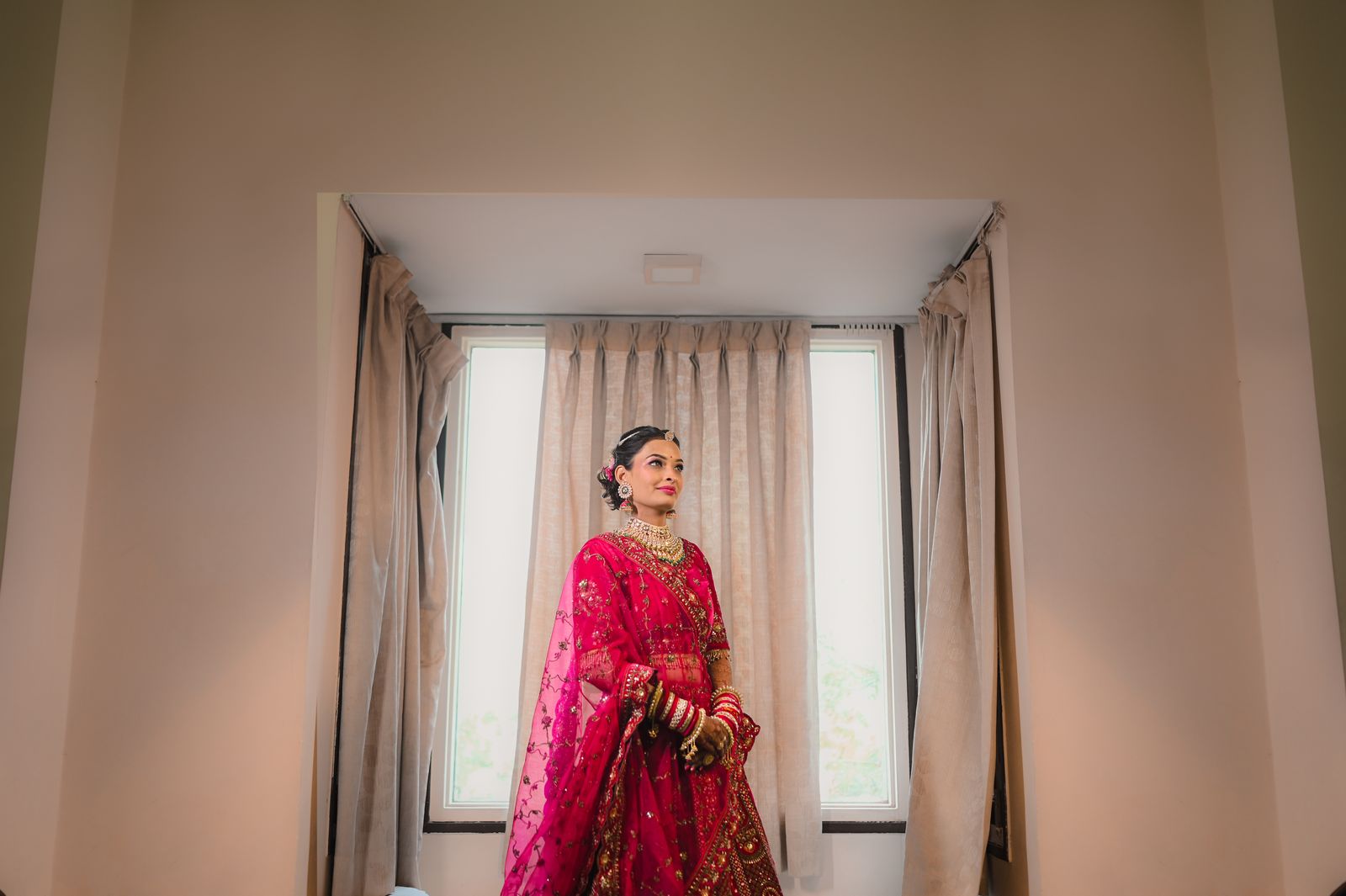
Picture her. She found the £6,000-tier lehenga she’d have never justified new, for a price that left room in the budget for the honeymoon. It arrived professionally dry cleaned, pressed, immaculate. She knows exactly one other bride wore it — a bride who, like her, glowed in it for a single perfect day.
She’s not an outlier; she’s the front of a wave. The resale and rental of occasion wear is growing fast: the online clothing-rental market alone is forecast to more than double from USD 2.6 billion in 2025 to 7.0 billion by 2036, with India the fastest-growing market at a 14.8% annual rate — driven precisely by festive wear and weddings (Future Market Insights). The old shame is fading, too: the BBC reported a clear surge in preloved party and occasion wear, with fashion voices urging shoppers to “say goodbye to second-hand stigma” (BBC News). WRAP found that most UK adults — 54% — are now happy to buy second-hand and vintage, women more so than men (WRAP).
And it’s kinder to the planet she’s marrying into. Textiles and fashion account for an estimated 4–8% of global greenhouse-gas emissions, and WRAP found we keep preloved and vintage pieces longer than things we buy new — 5.4 years versus 4 (WRAP). Choosing a lehenga that already exists, instead of demanding a new one be made for eight hours of wear, is a genuinely responsible act — dressed up as a gorgeous one.
Smart. Beautiful. Responsible. The stigma said you had to choose. You don’t.
FAQ
Is it bad luck to wear a second-hand wedding lehenga? No — and our own traditions quietly agree. We consider heirloom saris, a mother’s dupatta and inherited gold to be blessed, not unlucky, and the “something borrowed” custom celebrates carrying good fortune forward. A preloved lehenga, worn once by a bride on her own happy day, sits in exactly that spirit.
How do I know a preloved lehenga is actually clean and hygienic? Every listing on Preloved Bazaar shows its cleaning status — professionally dry cleaned, washed, or not cleaned since last worn — so you can choose a freshly dry cleaned piece with confidence. A specialist-cleaned, pressed bridal lehenga is as fresh as one off a shop rail, and often hasn’t been tried on by anyone but its previous owner.
Will I really save money buying a preloved bridal lehenga? Almost always, yes. With new designer lehengas starting around £4,000 and rising well past £8,000 (Ambar Jewels), buying a piece worn once typically means paying a fraction of the original price for something practically new — freeing budget for the rest of your celebration.
Ready to see for yourself? Browse preloved bridal lehengas on Preloved Bazaar — every listing shows its cleaning status, and every order is covered by buyer protection, with your money held safely until the seller has posted your lehenga with tracking and a short protection window has passed. Wore yours already? List it, and let another bride glow in it too.