Browse any clothing site or charity-shop window and you will meet the same handful of words: preloved, second-hand, pre-owned, vintage, thrift. They all point at roughly the same idea, which is a garment having more than one owner. But they carry different feelings, and the word you choose says a lot about how you see the clothes. Here is a plain-English guide, and why preloved fits South Asian and Middle Eastern fashion so naturally.
Preloved vs second-hand: what does each really mean?
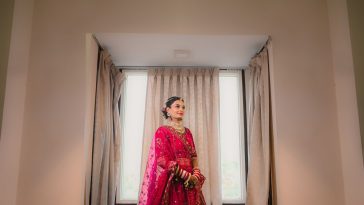
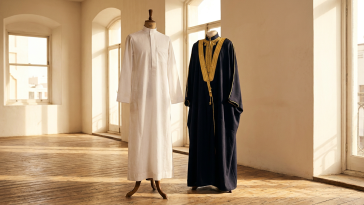
Preloved simply means an item has been owned and worn by someone before you. That is the whole definition. What makes the term special is its tone. “Second-hand” can sound a little tired, as though the best of the garment has already been used up. “Preloved” reframes the very same piece as something that was chosen, cared for and enjoyed, and is now ready for its next chapter. For occasion wear especially, that framing rings true: a lehenga worn once at a wedding, or an abaya kept for special evenings, has barely been touched, yet it is undeniably pre-owned. Preloved is the kindest and most honest way to describe it.
Second-hand, pre-owned, vintage, thrift – a quick glossary
- Second-hand – the oldest and most literal term. It is what most people in the UK still type into a search bar, so it is useful to know, even if it feels a touch blunt.
- Pre-owned – a slightly more neutral, often more premium-sounding version of second-hand. You will see it used for designer pieces and watches.
- Vintage – not just old, but old in a way that has earned its keep. As a rule of thumb, vintage means roughly twenty years or more, with a recognisable style of its era. A 1990s saree can be vintage; last season’s kurta is not.
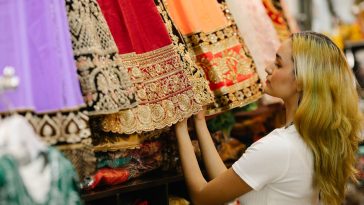
- Thrift – more of an American word, tied to thrift stores and the thrill of a bargain hunt. In Britain we tend to say charity shop, but “thrifting” has travelled here as a fun way to describe the treasure hunt.
- Preloved – the warm, modern umbrella term. It covers all of the above and carries no stigma at all.
Why preloved suits desi and modest wear so well
Occasion clothing is the perfect candidate for a second life. A bridal lehenga, a heavily embroidered sherwani, a formal abaya or a silk saree is often worn a single time, then folded away in a wardrobe for years. The craftsmanship is extraordinary and the cost can be high, yet the wear is minimal. Buying preloved means you can find rare, designer and genuinely special pieces that are practically new, at a fraction of their original price. Selling means a beautiful outfit gets enjoyed again instead of gathering dust, and you recover some of what you spent.
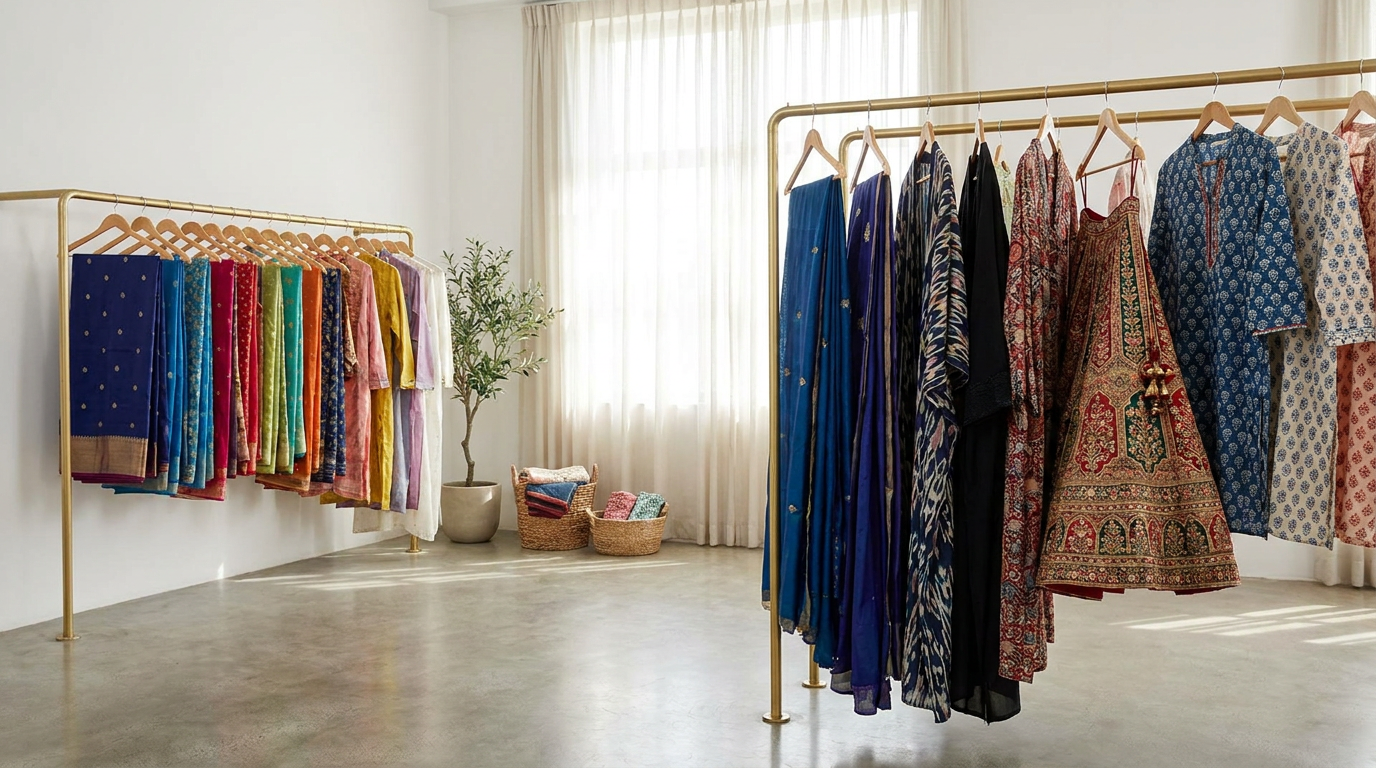
There is a sustainability story here too. Keeping a garment in use for longer is one of the simplest ways to reduce fashion waste, and intricate occasion wear is exactly the sort of clothing that deserves to be passed on rather than thrown out. That is why we cover both Middle Eastern and South Asian fashion, for women and men alike, an angle most marketplaces simply overlook. If your style sits across desi, modest, wedding or everyday wear, you should not have to shop in three different places to find it.
Shopping and selling with confidence
Whatever you call it, the only thing that should put anyone off preloved is worrying about how safe the exchange is. That is exactly what we have built around. Every purchase is covered by buyer protection, so your money is held securely until the seller has posted your item with tracking and a short protection window has passed, and you are covered if it does not arrive or is not as described. It also helps to read our preloved clothing condition guide so you know exactly what to expect before you buy. And for sellers there are no seller fees to eat into what you make, plus you can list an item in minutes from your phone, photos, price, done — our guide on how to sell your preloved clothes walks you through it.
So forget the labels and the old stigma. Preloved, second-hand, thrift, call it what you like; it is simply smarter shopping. Have a browse through the rails and start shopping preloved to find your next piece, or if your wardrobe is hiding treasures of its own, start selling today and let them be loved all over again.